
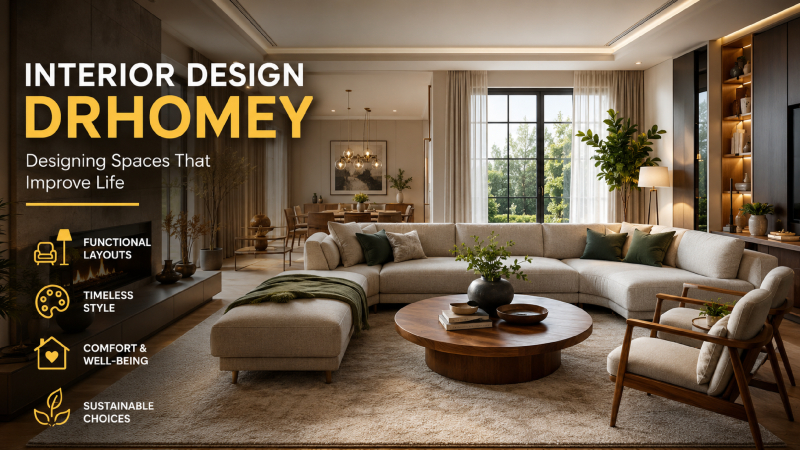

Have you ever walked into a beautifully decorated house yet somehow felt uncomfortable? On the other hand, have you visited a simple home that instantly made you feel relaxed, welcomed, and inspired? The difference rarely comes down to expensive furniture or designer décor. Instead, it comes from thoughtful interior design drhomey that supports the way people actually live.
Modern homeowners often make one common mistake—they decorate first and design later. They buy trendy furniture, copy ideas from social media, or follow seasonal trends without considering how their home should function every day. The result is a space that may look attractive in photos but feels cluttered, inconvenient, and emotionally exhausting in real life.
Interior Design DrHomey takes a completely different approach. Rather than focusing on short-lived trends, it promotes a design philosophy built around comfort, functionality, emotional well-being, and timeless style. Every decision—from choosing a color palette to arranging furniture—is made with one goal in mind: creating a home that improves your daily life.
What Is Interior Design DrHomey?
Interior Design DrHomey is a practical design philosophy that blends beauty with purpose. Instead of decorating simply to impress visitors, it encourages homeowners to create spaces that support everyday routines, improve comfort, and reflect personal lifestyles.
Unlike design trends that quickly lose popularity, this approach focuses on timeless principles that remain effective regardless of changing styles. Every room is designed to solve problems, improve organization, and create a calm atmosphere while maintaining visual elegance.
At the heart of this philosophy lies one simple question:
“Does this design improve the way people live inside the home?”
If the answer is yes, the design choice aligns with the DrHomey approach.
This philosophy has become increasingly popular because homeowners are now looking beyond appearance. Modern families want homes that adapt to hybrid work, growing children, entertaining guests, and everyday responsibilities without sacrificing style.
Instead of chasing perfection, Interior Design DrHomey embraces practical luxury—spaces that are beautiful because they are comfortable, organized, and thoughtfully planned.
The DrHomey Design Blueprint
Every successful interior begins with a strong foundation. The DrHomey Design Blueprint consists of five guiding principles that work together to create balanced and livable homes.
1. Function Before Decoration
Professional designers always begin by understanding how a room will be used before selecting furniture or accessories. A family living room should encourage conversation and relaxation, while a home office should maximize productivity with proper lighting, ergonomic furniture, and minimal distractions. When functionality leads the design process, every decorative element naturally feels purposeful instead of random.
2. Comfort Creates Better Living
Luxury is not measured by price—it is measured by comfort. Soft textures, supportive seating, breathable fabrics, pleasant lighting, and comfortable room temperatures all contribute to spaces where people genuinely enjoy spending time. Design should improve daily living rather than simply creating visual impact.
3. Flow Shapes Every Experience
One of the most overlooked aspects of interior design is movement. Rooms should allow people to walk naturally without obstacles. Furniture should define spaces without blocking pathways, and layouts should guide movement effortlessly from one area to another. Good flow makes even smaller homes feel larger and more welcoming.
4. Personality Makes a House Feel Like Home
A beautifully designed house becomes meaningful only when it reflects the people who live there. Instead of copying every trend, incorporate artwork, family photographs, travel memories, handcrafted décor, or meaningful collections that tell your personal story. Timeless interiors combine professional design principles with authentic personality.
5. Design for the Future
Great interiors should continue serving homeowners for many years. Choosing durable materials, flexible furniture, timeless color palettes, and adaptable layouts reduces unnecessary renovations while increasing long-term value. Rather than redesigning every few years, Interior Design DrHomey encourages creating spaces that evolve naturally with changing lifestyles.
Why Most Homes Feel “Wrong”
Many homeowners believe buying expensive furniture automatically creates a beautiful interior. In reality, poor planning often undermines even the highest-quality décor.
Several common design mistakes prevent rooms from reaching their full potential:
- Visual clutter that overwhelms the eye instead of creating calm.
- Oversized or undersized furniture that disrupts balance and proportion.
- Poor lighting that makes colors appear dull and spaces feel smaller.
- Furniture placement that blocks natural movement and conversation.
- Too many competing colors and decorative accessories that create visual confusion.
Instead of treating these as isolated problems, Interior Design DrHomey views them as connected design challenges. Improving one element while ignoring the others rarely delivers lasting results. True transformation happens when layout, lighting, color, texture, and functionality work together as one cohesive system.
The Science Behind Comfortable Interiors
A well-designed home is more than a collection of beautiful furniture. It is an environment that quietly influences your mood, productivity, relationships, and overall well-being. This is where Interior Design DrHomey stands apart from ordinary decorating advice. It combines timeless design principles with environmental psychology to create spaces that genuinely improve daily life.
Environmental Psychology: Designing for Better Living
Environmental psychology studies how our surroundings affect our thoughts and emotions. A cluttered room often increases stress and mental fatigue, while an organized, balanced environment encourages relaxation and focus. The DrHomey philosophy recommends designing every room with intention. Instead of filling empty spaces with unnecessary décor, every item should contribute to comfort, functionality, or personal meaning.
The Power of Natural Light
Natural light is one of the most valuable design elements in any home. It makes rooms appear larger, improves mood, enhances color accuracy, and creates a healthier indoor environment.
To maximize daylight:
- Keep windows free from heavy curtains whenever possible.
- Place mirrors opposite windows to reflect sunlight deeper into the room.
- Choose lighter wall colors in darker spaces.
- Avoid blocking windows with oversized furniture.
Even small changes can dramatically improve how bright and welcoming a room feels.
Texture Creates Emotional Warmth
Many homes feel cold because every surface looks similar. Interior designers solve this by layering different textures instead of relying on one material. Combine smooth wood with soft linen, woven baskets, natural stone, velvet cushions, ceramic accessories, and indoor plants. These contrasting textures create depth and warmth without making the room feel busy.
Visual Balance Reduces Stress
The human eye naturally seeks balance. When one side of a room contains all the visual weight—such as large furniture or bold colors—the space feels uncomfortable without people realizing why. Distribute furniture, lighting, artwork, and decorative accessories evenly throughout the room. Balanced spaces feel calmer, more organized, and professionally designed.
Color Psychology
Colors influence emotions more than many homeowners realize.
- Soft blues encourage relaxation.
- Greens create a connection with nature.
- Warm neutrals provide comfort and flexibility.
- Earth tones add stability and warmth.
- Gentle whites brighten interiors without feeling sterile.
Rather than choosing colors because they are trendy, select shades that support the mood you want each room to create.
Don’t Forget Acoustics
Beautiful rooms should sound comfortable as well. Hard surfaces such as tile, glass, and concrete create echoes that make conversations feel harsh. Rugs, curtains, upholstered furniture, and fabric wall art absorb sound, making interiors feel quieter and more relaxing.
Room-by-Room Master Plan
Every room serves a unique purpose. Instead of applying identical decorating ideas throughout the home, Interior Design DrHomey recommends tailoring each space to support the activities that happen there.
Living Room
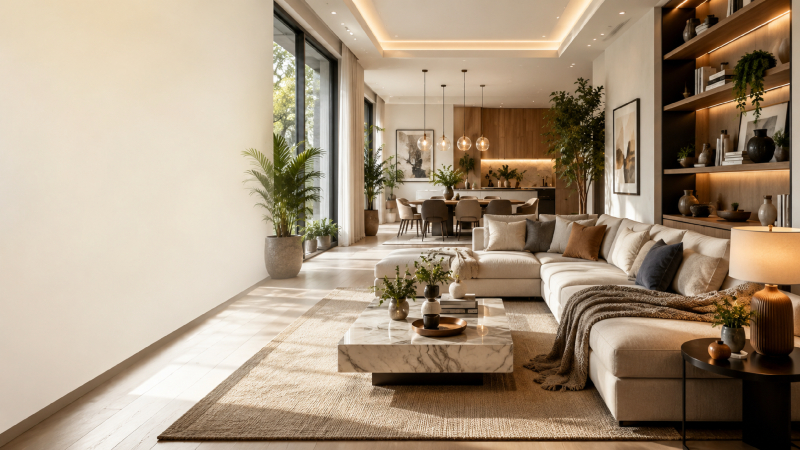
The living room should encourage conversation, relaxation, and connection. Arrange seating so people naturally face one another instead of placing every chair toward the television. Use a large area rug to define the seating zone, layer different textures for warmth, and leave enough walking space between furniture to improve flow. A statement coffee table, indoor plants, and thoughtfully chosen artwork complete the room without creating clutter.
Kitchen
A beautiful kitchen is also highly functional. Store frequently used items within easy reach and group similar products together to simplify cooking. Add under-cabinet lighting to improve visibility and introduce open shelving only if you can keep it organized. Natural wood accents and warm lighting make kitchens feel welcoming instead of purely functional.
Bedroom
Bedrooms should support rest rather than stimulation. Choose calming colors, soft textiles, layered lighting, and minimal decoration. Keep electronic distractions to a minimum and invest in quality bedding before purchasing decorative accessories. Comfort should always take priority over appearance.
Bathroom
Even compact bathrooms can feel luxurious. Use floating vanities, wall-mounted storage, large mirrors, and soft lighting to increase the sense of space. Add natural materials such as bamboo, stone, or wood to create a spa-inspired atmosphere.
Dining Room
Dining spaces should encourage conversation and shared experiences. Position lighting directly above the dining table, leaving enough clearance for comfortable eye contact. A simple centerpiece and upholstered dining chairs create warmth without overwhelming the room.
Home Office
Productivity begins with thoughtful design. Position your desk near natural light, invest in an ergonomic chair, organize cables, and include closed storage to reduce visual distractions. Adding one or two indoor plants can improve focus while making the workspace feel less clinical.
Entryway
The entryway creates the first impression of your home. Include a bench, shoe storage, wall hooks, and a mirror to improve both functionality and appearance. A well-designed entryway prevents clutter from spreading throughout the house.
Kids’ Room
Children’s rooms should balance creativity with organization. Choose durable furniture, flexible storage systems, and open floor space that allows room for play while making cleaning easier.
Outdoor Living Area
Outdoor spaces should feel like a natural extension of the home. Comfortable seating, weather-resistant fabrics, layered lighting, and greenery transform patios, balconies, or gardens into inviting living areas.
Professional Interior Designer Secrets
Professional designers rely on subtle techniques that most homeowners rarely notice—but these details make an enormous difference.
The Rule of Thirds
Instead of placing every object in the center, divide walls and shelves into thirds. This creates more natural visual interest and prevents rooms from feeling overly symmetrical.
Visual Weight
Every object carries visual weight based on its size, color, and texture. Large dark furniture should be balanced with lighter accessories, artwork, or plants elsewhere in the room to create harmony.
Negative Space
Luxury interiors are never overcrowded. Empty space allows important furniture and decorative pieces to stand out while making rooms feel larger and more elegant.
Layer Your Textures
Mix wood, glass, linen, leather, metal, ceramics, and woven materials to create depth. Layering textures is one of the easiest ways to achieve a high-end designer look.
Create a Strong Focal Point
Every room should immediately draw attention to one feature, whether it is a fireplace, artwork, feature wall, statement lighting fixture, or panoramic window. Everything else should support—not compete with—that focal point.
Scale Furniture Correctly
Oversized furniture overwhelms small rooms, while undersized furniture makes large spaces feel empty. Always measure your room carefully before purchasing furniture and maintain comfortable walking paths between pieces.
Luxury Styling Trick
Professional designers often combine one premium statement piece with several affordable accessories instead of filling an entire room with expensive furniture. This creates a sophisticated appearance while keeping the budget under control.
Color Masterclass: Creating a Balanced and Timeless Interior
Color is one of the first things people notice when they enter a room, yet it is often chosen last. Interior Design DrHomey recommends selecting a color palette before buying furniture or accessories because color sets the emotional tone of the entire space.
The 60-30-10 Rule
Professional designers rely on the 60-30-10 rule to create visual harmony.
| Percentage | Purpose | Examples |
|---|---|---|
| 60% | Dominant Color | Walls, flooring, large rugs |
| 30% | Secondary Color | Sofa, curtains, accent chairs |
| 10% | Accent Color | Cushions, artwork, vases, decorative accessories |
This simple formula prevents a room from feeling either too plain or overly colorful.
Warm vs. Cool Colors
Warm shades like beige, terracotta, cream, and soft brown create welcoming spaces ideal for living rooms and dining areas. Cool colors such as sage green, dusty blue, and light gray promote relaxation, making them perfect for bedrooms, bathrooms, and home offices.
Always test paint samples on your walls because natural light changes how colors appear throughout the day.
Lighting Masterclass: The Secret Behind Every Beautiful Home
Even expensive furniture cannot compensate for poor lighting. The DrHomey philosophy recommends layered lighting, where multiple light sources work together to improve both functionality and atmosphere.
Every room should include three essential lighting layers:
- Ambient Lighting: The main source of general illumination.
- Task Lighting: Focused lighting for reading, cooking, or working.
- Accent Lighting: Decorative lighting that highlights artwork, plants, or architectural features.
Choosing the correct bulb temperature also makes a noticeable difference.
| Room | Recommended Color Temperature |
|---|---|
| Living Room | 2700K–3000K |
| Bedroom | 2700K |
| Kitchen | 3500K–4000K |
| Bathroom | 3500K |
| Home Office | 4000K–5000K |
Natural daylight should always be maximized by using mirrors, sheer curtains, and unobstructed windows.
Furniture Selection Framework
Furniture should enhance both comfort and movement. Before purchasing any piece, ask yourself:
- Does it fit the room’s scale?
- Is it comfortable enough for daily use?
- Will it remain stylish for years?
- Does it improve traffic flow?
- Is the material durable and easy to maintain?
Instead of filling every corner, leave breathing space around major furniture pieces. Proper spacing makes rooms appear larger, brighter, and more luxurious.
Storage Without Losing Beauty
Beautiful homes stay beautiful because they remain organized. Interior Design DrHomey encourages integrating storage into the overall design instead of treating it as an afterthought.
Hidden drawers, built-in cabinets, floating shelves, storage benches, and multifunctional furniture help reduce visible clutter while preserving a clean, elegant appearance. Vertical storage is especially valuable in smaller homes because it maximizes wall space without reducing floor area.
A simple decluttering habit can also make a dramatic difference. Before bringing a new item into your home, consider whether it adds genuine value or simply occupies space.
Luxury on a Budget
Creating a sophisticated home does not require unlimited spending. Professional designers often combine investment pieces with affordable décor to achieve a premium look.
Consider refreshing old furniture with new paint or hardware, replacing outdated lighting fixtures, adding textured cushions and rugs, or introducing indoor plants for an instant transformation. Shopping second-hand for solid wood furniture and pairing it with modern accessories is another designer-approved strategy.
Smart Home Integration: Designing for the Future
A modern home should be both beautiful and intelligent. Interior Design DrHomey embraces smart technology only when it enhances everyday living without disrupting the room’s visual appeal.
Smart lighting systems allow you to adjust brightness and color temperature throughout the day, while programmable thermostats improve comfort and reduce energy costs. Motion-sensor lights, smart blinds, hidden charging stations, and voice-controlled devices make daily routines easier while keeping interiors clean and uncluttered.
The key principle is simple: technology should blend into the background rather than become the focal point.
Sustainability: Beautiful Homes That Respect the Environment
Timeless interiors are also environmentally responsible. Choosing eco-friendly materials not only reduces your environmental impact but also creates healthier indoor spaces.
Whenever possible, choose:
- Low-VOC paints for better indoor air quality.
- Natural fabrics like cotton, linen, and wool.
- Reclaimed or responsibly sourced wood.
- Energy-efficient LED lighting.
- Durable furniture designed to last for many years.
Buying fewer, higher-quality pieces is often more sustainable than replacing inexpensive furniture every few years.
Interior Design Trends: What Will Never Go Out of Style
Trends come and go, but timeless design remains valuable for decades. Instead of chasing every new style, focus on elements that continue to look elegant year after year.
Timeless choices include neutral color palettes, layered textures, quality craftsmanship, natural materials, indoor plants, balanced lighting, and functional layouts. Add personality through artwork, cushions, rugs, or seasonal accessories that can easily be updated without redesigning the entire room.
Common Interior Design Mistakes to Avoid
Even beautiful homes can suffer from simple design mistakes. Interior Design DrHomey recommends avoiding these common problems:
- Choosing furniture that is too large or too small.
- Depending on a single ceiling light.
- Ignoring natural light.
- Hanging artwork too high.
- Buying complete matching furniture sets.
- Using too many bold colors.
- Overdecorating shelves and tables.
- Blocking windows with heavy furniture.
- Choosing style over comfort.
- Forgetting storage during the planning stage.
- Using tiny rugs in large rooms.
- Ignoring traffic flow.
- Following trends without considering personal lifestyle.
- Neglecting texture and material variety.
- Decorating every empty corner instead of allowing negative space.
Correcting these mistakes instantly improves the appearance and functionality of almost any room.
DrHomey Home Design Checklist
Before considering any room complete, ask yourself:
| ✔ Checklist | Status |
|---|---|
| Functional furniture layout | ☐ |
| Balanced 60-30-10 color palette | ☐ |
| Layered lighting | ☐ |
| Comfortable walking pathways | ☐ |
| Hidden storage solutions | ☐ |
| Natural textures included | ☐ |
| Personal decorative touches | ☐ |
| Indoor plants or natural elements | ☐ |
| Sustainable materials where possible | ☐ |
| Room feels organized and welcoming | ☐ |
Frequently Asked Questions
What is Interior Design DrHomey?
It is a practical interior design philosophy that combines functionality, comfort, timeless style, and thoughtful planning to create homes that improve everyday living.
Does this approach work for small apartments?
Yes. Its emphasis on smart layouts, vertical storage, multifunctional furniture, and balanced design makes it ideal for compact spaces.
What is the most important design rule?
The 60-30-10 color rule is one of the easiest ways to achieve a balanced and professional-looking interior.
How can I make my home look more luxurious on a budget?
Upgrade lighting, declutter, layer textures, repaint walls, add greenery, and invest in a few high-quality statement pieces instead of replacing everything.
Is Interior Design DrHomey suitable for renters?
Absolutely. Removable wallpaper, rugs, lighting, furniture arrangement, and decorative accessories can transform a rental without making permanent changes.
Final Thoughts
A truly beautiful home is not measured by its price tag or the latest decorating trend—it is measured by how it supports the people who live in it. Interior Design DrHomey encourages homeowners to create spaces that are functional, comfortable, timeless, and deeply personal. By focusing on thoughtful layouts, balanced colors, layered lighting, smart storage, sustainable materials, and intentional design choices, you can transform any house into a place that feels welcoming every single day. Start with one room, apply these principles consistently, and let every improvement bring you closer to a home that reflects your lifestyle, values, and vision for the future.