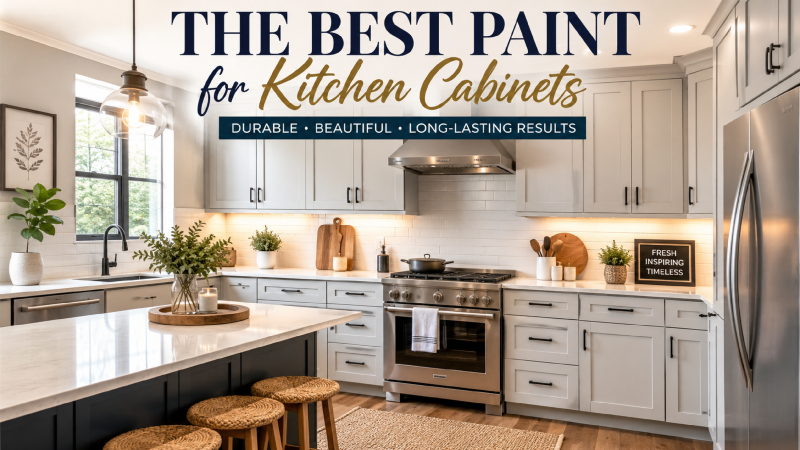

Replacing kitchen cabinets is one of the most expensive parts of a home renovation. Fortunately, you don’t always need brand-new cabinetry to create a fresh, modern kitchen. In many cases, repainting existing cabinets delivers a dramatic transformation at a much lower cost. The key to lasting results is selecting the best paint for kitchen cabinets instead of relying on ordinary wall paint.
Cabinets are among the hardest-working surfaces in any home. They are opened and closed countless times, exposed to cooking grease, steam, moisture, fingerprints, food spills, and frequent cleaning. Because of this constant use, they require a paint that forms a durable protective coating rather than a decorative finish alone.
Modern cabinet paints are designed to handle these demanding conditions. Unlike standard interior paint, they contain advanced resins that improve adhesion, resist scratches, and create a smooth, hard finish after curing. Many premium products also feature self-leveling technology, helping brush or roller marks disappear as the paint dries for a factory-like appearance.
This guide explains everything you need to know before buying cabinet paint. You’ll learn how cabinet paint differs from wall paint, understand the main paint technologies, compare their strengths, and discover how to choose the right product based on your kitchen, budget, and painting experience.
Cabinet Paint at a Glance
| Paint Type | Durability | Dry Time | Ease of Use | Best For |
|---|---|---|---|---|
| Acrylic Enamel | Very Good | Fast | Excellent | DIY projects |
| Water-Based Alkyd | Excellent | Medium | Excellent | Premium cabinet refinishing |
| Urethane Enamel | Excellent | Fast | Very Good | High-traffic kitchens |
| Oil-Based Enamel | Excellent | Slow | Moderate | Professional applications |
Why Cabinet Paint Is Different from Wall Paint
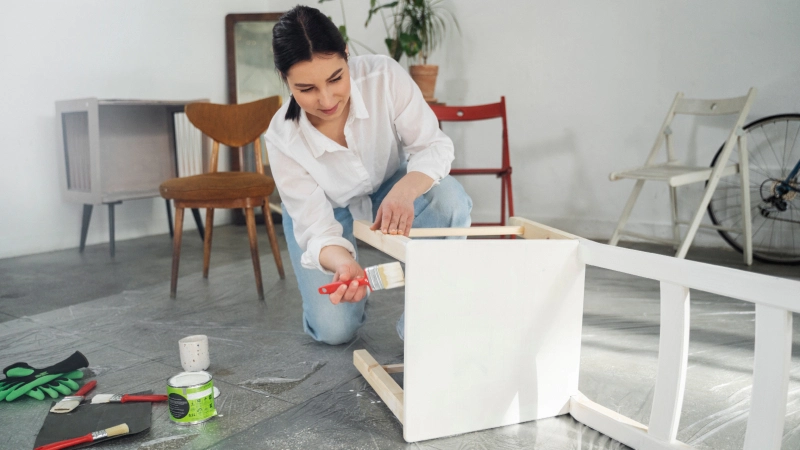
Many homeowners assume that any interior paint will work on cabinets. Although this may seem like an easy way to reduce costs, the results are often disappointing. Wall paint is formulated for drywall, which experiences very little physical contact. Cabinets, however, must withstand years of daily use without peeling, chipping, or wearing away.
Cabinet paint contains stronger binders that create a tougher protective layer after curing. Consequently, it handles moisture, grease, cleaning products, and repeated handling far better than conventional wall paint.
Another important difference is the finish quality. High-quality cabinet paint flows smoothly while drying, reducing visible brush strokes and roller texture. As a result, the finished surface looks cleaner and more professional, even when applied by an experienced DIY homeowner.
Although cabinet paint usually costs more than standard wall paint, its durability often makes it the more economical choice over time because repainting is needed less frequently.
Understanding the Main Types of Cabinet Paint
Choosing the right paint becomes much easier when you understand how each type performs.
Acrylic Enamel
Acrylic enamel is one of the most popular options for homeowners because it combines durability with simple application. It dries quickly, produces minimal odor, and cleans up easily with soap and water. Furthermore, modern acrylic formulas create a washable surface that performs well in best paint for kitchen cabinets with moderate daily use.
Water-Based Alkyd
Water-based alkyd paint blends the durability of traditional oil paint with the convenience of water cleanup. It cures into a hard, smooth coating that resists scratches and everyday wear while producing an attractive factory-style finish. Therefore, it has become a favorite among many professional painters.
Urethane Enamel
Urethane enamel is designed for surfaces that experience constant use. It offers outstanding resistance to moisture, grease, stains, and cleaning chemicals. In addition, it dries relatively quickly, allowing projects to move forward without long delays between coats.
Oil-Based Enamel
Oil-based enamel was once the standard choice for cabinet painting because of its extremely hard finish. However, it dries slowly, produces stronger odors, and may yellow over time, especially on white cabinets. Today, modern hybrid paints provide similar durability while being easier to apply and maintain.
Acrylic vs. Alkyd vs. Urethane
| Feature | Acrylic Enamel | Water-Based Alkyd | Urethane Enamel | Oil-Based Enamel |
|---|---|---|---|---|
| Durability | ★★★★☆ | ★★★★★ | ★★★★★ | ★★★★★ |
| Scratch Resistance | Good | Excellent | Excellent | Excellent |
| Dry Time | Fast | Medium | Fast | Slow |
| Odor | Low | Low | Low | High |
| Cleanup | Water | Water | Water | Mineral Spirits |
How to Choose the Right Paint
Before purchasing cabinet paint, think about the material of your cabinets, how often your kitchen is used, and the finish you want to achieve. Solid wood, MDF, laminate, and metal surfaces each require different preparation methods. Likewise, a busy family kitchen benefits from a tougher coating than cabinets used only occasionally.
Budget should also influence your decision, but price alone should never determine quality. A premium paint often provides better coverage, requires fewer coats, and lasts much longer than cheaper alternatives. For that reason, investing in a higher-quality product usually delivers better long-term value while reducing future maintenance.
Best Paint for Different Cabinet Materials
Not all cabinets are built from the same materials, and each surface reacts differently to paint. Therefore, choosing the right coating for your cabinet type is essential for achieving long-lasting results.
Solid Wood Cabinets
Solid wood is generally the easiest cabinet material to paint. Because wood naturally accepts primer and paint, it provides excellent adhesion when properly cleaned and sanded. Moreover, solid wood cabinets can be repainted multiple times throughout their lifespan.
Water-based alkyd and urethane enamel paints are often the preferred choices for solid wood because they create a smooth, durable finish that withstands years of daily use.
MDF Cabinets
Medium-Density Fiberboard (MDF) is commonly used in modern kitchens because of its smooth surface. However, MDF can absorb moisture if left unsealed. For this reason, applying a quality primer before painting is especially important.
Once primed correctly, MDF delivers an exceptionally smooth finish with very little grain texture showing through the paint.
Laminate Cabinets
Laminate surfaces are non-porous and naturally resistant to paint adhesion. Nevertheless, they can still be painted successfully with proper preparation.
Light sanding followed by a high-quality bonding primer significantly improves paint adhesion. After preparation, urethane enamel and water-based alkyd paints generally provide the most reliable results.
Thermofoil Cabinets
Thermofoil cabinets feature a vinyl coating applied over engineered wood. If the thermofoil layer is already peeling or damaged, replacement may be a better option than painting. However, intact thermofoil surfaces can sometimes be refinished using specialty primers and durable cabinet paint.
Metal Cabinets
Metal cabinets require rust-resistant primer before painting. After proper preparation, cabinet-specific enamel paints can create a durable finish that resists moisture and corrosion.
Which Cabinet Paint Lasts the Longest?
Durability is one of the most important considerations when choosing cabinet paint. While proper preparation plays a major role, paint chemistry also affects long-term performance.
Durability Comparison
| Paint Type | Scratch Resistance | Moisture Resistance | Expected Lifespan |
|---|---|---|---|
| Urethane Enamel | Excellent | Excellent | 10–15 Years |
| Water-Based Alkyd | Excellent | Excellent | 10–15 Years |
| Oil-Based Enamel | Excellent | Very Good | 8–12 Years |
| Acrylic Enamel | Very Good | Very Good | 7–10 Years |
| Standard Latex | Fair | Fair | 3–5 Years |
As this comparison shows, urethane enamel and water-based alkyd paints remain among the strongest options available for residential cabinet projects.
Choosing the Right Cabinet Finish
Paint color receives most of the attention, yet the finish plays an equally important role in both appearance and maintenance.
Satin Finish
Satin offers a subtle sheen that works beautifully in traditional and farmhouse best paint for kitchen cabinets. Because it reflects less light, it also hides small surface imperfections better than glossier finishes.
Semi-Gloss Finish
Semi-gloss remains the most popular cabinet finish among professionals. It combines excellent durability with easy cleaning and a polished appearance. Additionally, it resists grease and moisture more effectively than flatter finishes.
Gloss Finish
Gloss finishes create a dramatic, modern appearance. However, they also highlight fingerprints, scratches, and surface imperfections more easily. Therefore, they require more maintenance to maintain their flawless look.
Finish Comparison
| Finish | Durability | Cleaning Ease | Appearance |
|---|---|---|---|
| Satin | Very Good | Good | Soft and Elegant |
| Semi-Gloss | Excellent | Excellent | Professional and Versatile |
| Gloss | Excellent | Excellent | Modern and Reflective |
Best Paint by Budget
Many homeowners assume expensive paint automatically delivers the best results. In reality, the ideal choice depends on both your budget and project goals.
| Budget Range | Recommended Type | Best For |
|---|---|---|
| Under $40 | Acrylic Enamel | Small DIY Projects |
| $40–$70 | Water-Based Alkyd | Most Homeowners |
| $70–$100 | Premium Urethane Enamel | Busy Family Kitchens |
| Professional Grade | Commercial Cabinet Coatings | Luxury Projects |
Higher-quality paints often cover more surface area and require fewer coats. Consequently, they may cost less in the long run despite a higher purchase price.
Brush, Roller, or Sprayer?
The application method has a significant impact on the final appearance of painted cabinets. A quality brush works well for detailed trim and cabinet edges. Meanwhile, a high-density foam roller provides smooth coverage on flat cabinet surfaces. For the most professional finish, many painters prefer using a spray system because it produces the smoothest and most consistent coating.
Regardless of the method you choose, applying several thin coats typically produces better results than applying one heavy coat.
Professional Recommendations
Professional cabinet painters consistently follow several important principles. First, they thoroughly clean surfaces before sanding. Next, they use bonding primers whenever necessary. Additionally, they apply thin, even coats and allow adequate drying time between applications.
Most importantly, experienced painters understand that patience often determines the quality of the final finish. Rushing the process usually leads to visible imperfections and reduced durability.
Common Mistakes to Avoid
Even the highest-quality cabinet paint cannot compensate for poor preparation or rushed application. Avoiding these mistakes will greatly improve both the appearance and lifespan of your painted cabinets.
One of the most common errors is skipping the cleaning stage. Grease, cooking oils, and dust prevent paint from bonding properly, which can eventually lead to peeling or chipping. Likewise, failing to sand glossy surfaces reduces adhesion, even when premium paint is used.
Another frequent mistake is applying thick coats to finish the project faster. Although this may seem efficient, thick layers often create drips, uneven drying, and a weaker finish. Instead, applying multiple thin coats produces a smoother and more durable surface.
Many homeowners also underestimate curing time. While paint may feel dry within a few hours, it usually takes several days—or even weeks—to reach full hardness. During this period, cabinets should be handled gently to avoid scratches or dents.
Finally, using low-quality brushes or rollers often leaves streaks and visible texture. Investing in better tools usually results in a cleaner finish and a more professional appearance.
Cabinet Maintenance Tips
Proper maintenance keeps painted cabinets looking fresh for many years. Fortunately, regular care requires very little effort.
Dust cabinets weekly using a soft microfiber cloth to prevent dirt buildup. Every month, clean surfaces with warm water and a mild soap solution to remove grease and fingerprints. Harsh chemicals, abrasive sponges, and steel wool should be avoided because they can gradually damage the best paint for kitchen cabinets finish.
Inspect cabinet edges, corners, and areas around handles every few months. If you notice small chips or scratches, touching them up early helps prevent larger areas from deteriorating. In addition, tightening loose hinges and handles reduces unnecessary stress on painted surfaces.
With proper care, premium cabinet paint can maintain its appearance for a decade or longer.
DIY vs. Professional Cabinet Painting
Many homeowners wonder whether they should paint their cabinets themselves or hire a professional.
| Option | Estimated Cost | Best For |
|---|---|---|
| DIY Project | $200–$600 | Homeowners with basic painting skills |
| Professional Service | $2,000–$6,000 | Large kitchens and premium finishes |
A DIY project offers significant cost savings and allows you to work at your own pace. However, it requires patience, careful preparation, and attention to detail. On the other hand, professional painters have specialized equipment and experience that often produce an exceptionally smooth, factory-quality finish.
Cabinet Painting Checklist
Before beginning your project, make sure every important step has been completed.
Clean every cabinet surface thoroughly before sanding. Repair dents, cracks, or damaged areas before applying primer. Lightly sand glossy finishes to improve adhesion, then remove all sanding dust. Apply a quality bonding primer where needed, followed by several thin coats of the best paint for kitchen cabinets. Finally, allow the finish to cure completely before reinstalling doors, drawers, and hardware.
Completing each step carefully increases the durability of the final finish and reduces the need for future touch-ups.
Pros and Cons
Pros
- Creates a dramatic kitchen makeover without replacing cabinets.
- Costs far less than installing new cabinetry.
- Modern cabinet paints resist moisture, stains, scratches, and daily wear.
- Thousands of colors and finishes are available.
- Suitable for both DIY projects and professional refinishing.
- Well-painted cabinets can last for many years with proper maintenance.
Cons
- Surface preparation requires time and patience.
- Premium cabinet paints cost more than standard wall paint.
- Full curing may take several days or weeks.
- Some cabinet materials require specialized primers.
- Poor preparation can reduce paint durability.
Frequently Asked Questions
How long does cabinet paint last?
When surfaces are prepared correctly and maintained properly, premium cabinet paint typically lasts between 8 and 15 years.
Do I always need primer?
Most projects benefit from primer, especially when painting laminate, stained wood, glossy finishes, or bare wood.
Which finish is easiest to clean?
Semi-gloss is generally the easiest finish to maintain because it resists grease, moisture, and everyday stains.
Can I paint laminate cabinets?
Yes. Proper cleaning, light sanding, and a quality bonding primer make painting laminate cabinets possible.
Is water-based paint better than oil-based paint?
For most homeowners, modern water-based alkyd and urethane paints offer similar durability while drying faster, producing less odor, and cleaning up with water.
How many coats of paint should cabinets receive?
Most cabinet projects require one coat of primer and two thin coats of paint for the best appearance and durability.
Conclusion
Choosing the best paint for kitchen cabinets involves more than selecting a popular brand. The right choice depends on your cabinet material, budget, preferred finish, and the level of durability your kitchen requires.
For most homeowners, water-based alkyd and urethane enamel paints provide the ideal combination of durability, smooth application, and long-lasting performance. Acrylic enamel remains an excellent option for many DIY projects, while oil-based enamel is still suitable for certain professional applications.
Equally important, remember that preparation determines the final result. Cleaning thoroughly, sanding correctly, applying a suitable primer, and allowing enough curing time will have just as much impact as the best paint for kitchen cabinets itself. When these steps are followed carefully, your cabinets can achieve a beautiful, factory-like finish that enhances your kitchen for many years.