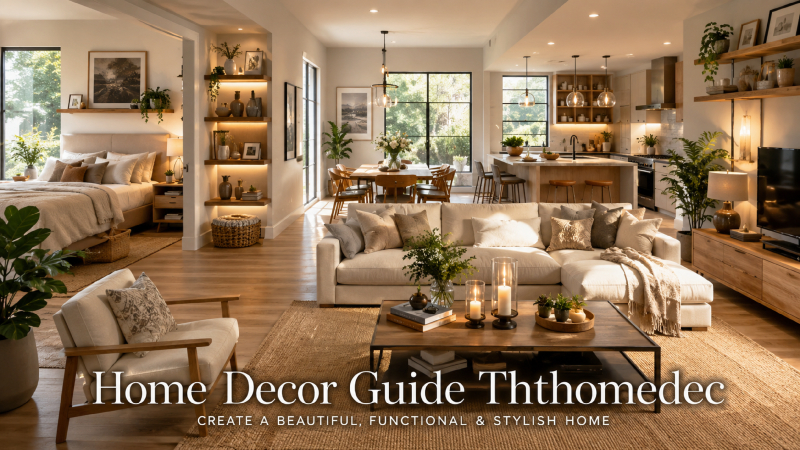

A beautifully decorated home is more than a collection of stylish furniture and attractive accessories. It is a place where comfort meets functionality, where every room reflects your personality, and where thoughtful design improves the way you live every day. Whether you own a spacious family house or a compact apartment, the Home Decor Guide Ththomedec approach helps you make smart decorating decisions that transform ordinary spaces into inviting environments that feel warm, organized, and timeless.
This Home Decor Guide Ththomedec is designed to help you decorate your home with confidence. Instead of following short-lived trends or making expensive decorating mistakes, you’ll discover practical strategies that combine style, comfort, and long-term value. Every recommendation in this guide focuses on creating spaces that not only look impressive but also support your daily lifestyle.
What Is Home Decor Guide Ththomedec?
The Home Decor Guide Ththomedec is a practical approach to home decoration that combines thoughtful planning, smart furniture selection, balanced color schemes, and functional design principles. Rather than focusing only on appearances, it encourages homeowners to create spaces that improve everyday living while maintaining a stylish and welcoming atmosphere.
Unlike decorating methods that rely heavily on changing trends, this guide emphasizes timeless design choices that continue looking attractive even as styles evolve. The goal is to build rooms that remain comfortable, organized, and visually balanced without requiring constant updates.
Whether you’re decorating your first home, renovating an existing space, or simply refreshing a single room, the Home Decor Guide Ththomedec provides a clear roadmap that simplifies every decorating decision. From selecting furniture to arranging lighting and accessories, each step is designed to help you achieve professional-looking results without unnecessary stress.
This guide is especially valuable for:
- First-time homeowners
- Apartment residents
- Families renovating their homes
- DIY decorating enthusiasts
- Anyone looking to improve both style and functionality
By following these principles, homeowners can confidently create interiors that feel elegant, practical, and uniquely personal.
Why Home Decoration Matters
Home decoration goes far beyond making a room look attractive. Every design decision influences how comfortable, organized, and enjoyable your living environment becomes. A thoughtfully decorated home creates a positive atmosphere that supports both relaxation and productivity.
Creates Everyday Comfort
Comfort begins with proper furniture placement, balanced lighting, and carefully selected materials. Soft textures, supportive seating, and well-planned layouts make every room easier to use while encouraging relaxation after a busy day.
Improves Visual Appeal
A coordinated color palette, quality furniture, and tasteful decorative accessories create harmony throughout the home. Instead of appearing crowded or unfinished, each room feels balanced and intentionally designed.
Increases Property Value
Well-maintained interiors often leave a strong impression on potential buyers. Updated lighting, modern finishes, organized storage, and attractive décor can significantly enhance the perceived value of a property.
Encourages Better Organization
Effective decorating includes practical storage solutions that reduce clutter and improve daily routines. Floating shelves, storage benches, built-in cabinets, and decorative baskets help maintain tidy living spaces without sacrificing style.
Supports Emotional Well-Being
The spaces where we spend most of our time directly affect our mood. Natural light, calming colors, indoor plants, and organized surroundings create a peaceful environment that reduces stress and promotes a greater sense of well-being.
Reflects Your Personal Style
Every home tells a story about the people who live there. Whether your preference is modern simplicity, rustic warmth, Scandinavian elegance, or classic sophistication, thoughtful decorating allows your personality to shine through every room.
Planning Your Home Decor Before You Start
Successful decorating always begins with careful planning rather than spontaneous shopping. Investing time in preparation helps avoid costly mistakes and ensures every decorating decision contributes to a cohesive final result.
Define Your Decorating Style
Understanding your preferred design style creates consistency throughout your home.
Some popular styles include:
- Modern: Clean lines, neutral colors, and uncluttered spaces.
- Contemporary: Current design trends combined with functional layouts.
- Minimalist: Simple furniture, open spaces, and purposeful decoration.
- Scandinavian: Bright interiors, natural wood, soft textures, and practical living.
- Farmhouse: Cozy finishes, warm colors, rustic wood, and welcoming details.
- Industrial: Metal accents, exposed materials, darker tones, and urban character.
- Traditional: Elegant furniture, timeless patterns, and classic architectural details.
Rather than copying a single style completely, combine elements that genuinely match your lifestyle and preferences.
Set a Realistic Decorating Budget
Creating a beautiful home doesn’t always require a large investment. Dividing your project into priorities helps you spend wisely.
- High Budget: Renovate flooring, install custom cabinetry, upgrade lighting, and invest in premium furniture.
- Medium Budget: Replace key furniture pieces, refresh paint colors, update window treatments, and add decorative accents.
- Budget-Friendly Decorating: Rearrange furniture, paint walls, introduce indoor plants, update cushions, and incorporate affordable wall art for an immediate visual improvement.
Choosing the Right Color Palette
Color is one of the most influential elements of interior design. It shapes the atmosphere of a room, affects how large or small a space appears, and creates visual harmony throughout the home. The Home Decor Guide Ththomedec encourages choosing a color palette before purchasing furniture or decorative accessories, ensuring every design element works together naturally.
Start with Neutral Colors
Neutral shades such as white, cream, beige, gray, and soft taupe provide a timeless foundation. These colors brighten interiors, make rooms appear larger, and allow decorative pieces to stand out without overwhelming the space.
Add Warm and Cool Tones
Warm colors like terracotta, soft gold, olive green, and warm beige create an inviting atmosphere that’s ideal for living rooms and dining areas. Cool tones such as sage green, dusty blue, charcoal, and soft gray bring a calm, refreshing feeling, making them excellent choices for bedrooms and home offices.
Use Accent Colors Wisely
Accent colors add personality without dominating the room. Deep navy, emerald green, burnt orange, mustard yellow, or matte black can be introduced through cushions, artwork, rugs, or decorative accessories. Limiting accent colors helps maintain a balanced appearance.
Consider Earth-Inspired Palettes
Natural colors continue to be a popular choice because they create warmth and timeless elegance. Shades inspired by wood, stone, sand, clay, and greenery blend effortlessly with different decorating styles while making interiors feel relaxing and welcoming.
Keep Color Consistent
Rather than giving every room a completely different palette, allow colors to flow naturally throughout your home. Repeating similar shades creates visual continuity and makes the entire house feel thoughtfully designed.
Furniture Selection Tips
Furniture forms the foundation of every room. Attractive décor cannot compensate for furniture that is uncomfortable, poorly sized, or unsuitable for your lifestyle. The Home Decor Guide Ththomedec recommends investing in pieces that combine durability, comfort, and practicality.
Comfort Comes First
A beautiful sofa has little value if it isn’t comfortable to use every day. Test seating depth, back support, fabric quality, and cushion firmness before making major purchases. Comfortable furniture encourages relaxation while improving everyday living.
Choose the Right Size
One of the biggest decorating mistakes is selecting furniture without considering room dimensions. Oversized furniture can make a room feel cramped, while pieces that are too small create an empty, disconnected appearance.
Leave enough space for comfortable movement around the room. Walkways should remain open, allowing each area to feel spacious and functional.
Invest in Quality
High-quality furniture often lasts much longer than inexpensive alternatives. Solid wood construction, durable upholstery, sturdy metal frames, and quality craftsmanship reduce replacement costs over time while maintaining an attractive appearance.
Focus on Functionality
Modern homes benefit from furniture that serves multiple purposes. Storage ottomans, extendable dining tables, beds with built-in drawers, and modular shelving provide flexibility while maximizing available space.
Select Materials Carefully
Different materials influence both durability and style.
- Wood adds warmth and timeless character.
- Metal creates a sleek, contemporary appearance.
- Glass introduces openness and reflects natural light.
- Upholstered furniture provides comfort while adding texture and softness.
Combining these materials thoughtfully creates depth without making the room feel busy.
Room-by-Room Decorating Guide
Every room has a unique purpose, and successful decorating reflects how each space is used. Instead of applying the same design approach everywhere, tailor your choices to suit the function of each room.
Living Room
The living room is often the heart of the home. Arrange seating to encourage conversation while maintaining clear walkways. Position the sofa toward a natural focal point such as a fireplace, entertainment unit, or statement artwork.
Complete the room with:
- A well-sized coffee table
- Layered area rugs
- Decorative cushions
- Elegant curtains
- Wall art that reflects your personality
- Functional storage units
- Multiple lighting sources for flexibility
A balanced layout creates a welcoming atmosphere for both everyday living and entertaining guests.
Bedroom
A bedroom should promote relaxation and restful sleep. Choose soft bedding, supportive mattresses, and calming colors that encourage comfort.
Decorate with:
- Coordinated bed linens
- Stylish nightstands
- Spacious wardrobes
- Decorative pillows
- Warm bedside lighting
- Minimal yet meaningful artwork
Avoid overcrowding the room. A clean, uncluttered layout contributes to a peaceful environment.
Kitchen
A well-designed kitchen combines efficiency with visual appeal. Prioritize organization through practical storage solutions and keep countertops as clear as possible.
Enhance the space with:
- Open shelves for attractive displays
- Under-cabinet lighting
- Decorative containers
- Organized pantry storage
- Durable countertop accessories
- Coordinated hardware finishes
An organized kitchen not only looks better but also makes daily cooking more enjoyable.
Dining Room
The dining room should feel inviting while remaining functional. Choose a dining table that suits both your family size and available space.
Complete the room with:
- Comfortable dining chairs
- A simple centerpiece
- Statement lighting above the table
- Coordinated wall décor
- Area rugs that define the dining space
These details create an atmosphere that’s perfect for everyday meals and special occasions.
Bathroom
Bathrooms benefit from thoughtful decorating despite their smaller size. Add personality without creating clutter by incorporating decorative mirrors, neatly folded towels, indoor plants, attractive storage baskets, and elegant accessories. Small improvements can make the room feel brighter, cleaner, and more luxurious.
Home Office
A productive workspace should support concentration while remaining visually appealing. Invest in an ergonomic chair, a spacious desk, organized shelving, proper task lighting, and cable management solutions. A comfortable and organized home office encourages better focus and efficiency while complementing the overall style of your home.
Lighting Tips for Every Room
Lighting is one of the most overlooked aspects of home decoration, yet it has the power to completely transform the atmosphere of a space. Even the most expensive furniture can look dull under poor lighting, while a well-lit room instantly feels more inviting and luxurious. The Home Decor Guide Ththomedec recommends combining different types of lighting instead of relying on a single ceiling fixture.
Make the Most of Natural Light
Natural light makes rooms appear larger, brighter, and healthier. Keep windows free from heavy obstructions, use sheer curtains where privacy allows, and position mirrors opposite windows to reflect daylight throughout the room.
Layer Your Lighting
Professional interior designers rarely depend on one light source. Instead, they combine three essential layers:
- Ambient Lighting: General illumination from ceiling fixtures or recessed lights.
- Task Lighting: Focused lighting for reading, cooking, studying, or working.
- Accent Lighting: Decorative lighting that highlights artwork, shelves, architectural details, or indoor plants.
Layering these lighting types creates depth and gives you greater flexibility throughout the day.
Choose Decorative Fixtures
Pendant lights, chandeliers, wall sconces, and modern floor lamps are more than functional—they become statement pieces that enhance the room’s personality. Select fixtures that complement your overall decorating style while providing adequate illumination.
Decorating with Accessories
Accessories complete a room by adding warmth, texture, and individuality. Instead of filling every surface with decorations, choose meaningful pieces that enhance your home’s overall design.
Popular decorative accessories include:
- Area rugs that define spaces
- Elegant curtains that soften windows
- Wall art that creates focal points
- Decorative mirrors that increase brightness
- Indoor plants that introduce freshness
- Cushions and throws for comfort
- Decorative trays to organize surfaces
- Candles that create a relaxing atmosphere
- Stylish vases displaying fresh or dried flowers
A helpful design principle is to decorate in odd-numbered groupings, such as three or five accessories, to create a more natural and visually balanced arrangement.
Smart Storage and Organization Ideas
A beautiful home is also an organized home. Clutter distracts from even the best interior design, making rooms feel smaller and less inviting.
Improve organization with practical storage solutions such as:
- Floating shelves for books and decorative items
- Hidden storage inside benches and ottomans
- Multi-purpose furniture that saves space
- Woven storage baskets for everyday essentials
- Well-organized closets with shelves and dividers
These solutions help maintain a clean appearance while maximizing functionality throughout the home.
Budget-Friendly Decorating Ideas
Creating a stylish home doesn’t always require expensive renovations. Small, thoughtful improvements often make the biggest difference.
Affordable decorating ideas include:
- Rearranging existing furniture to improve room flow
- Painting walls in fresh, neutral colors
- Adding DIY artwork or framed photographs
- Shopping at thrift stores or vintage markets for unique pieces
- Updating seasonal décor with cushions, throws, and plants
- Using peel-and-stick wallpaper to create feature walls
- Replacing cabinet handles, light fixtures, or curtains for an instant refresh
By focusing on high-impact, low-cost changes, you can transform your home while staying within your budget.
Common Home Decorating Mistakes to Avoid
Even attractive décor can lose its impact when common decorating mistakes are overlooked.
Avoid these errors:
- Purchasing oversized furniture for small rooms
- Depending on only one ceiling light
- Using too many decorative accessories
- Mixing unrelated color palettes
- Ignoring balance and proportion
- Allowing clutter to accumulate
- Prioritizing appearance over functionality
Before adding something new, ask yourself whether it improves both the beauty and usefulness of the space.
Home Decor Trends
Modern interior design continues to evolve, but the best trends combine timeless beauty with practical living.
Popular trends include:
- Natural wood and stone finishes
- Sustainable and eco-friendly décor
- Curved furniture with softer silhouettes
- Smart home technology integration
- Layered textured fabrics
- Earth-tone color palettes
- Indoor greenery and biophilic design
- Multi-functional spaces for modern lifestyles
Rather than following every trend, incorporate only those that genuinely suit your home and personal style.
Expert Tips for Decorating Like a Professional
Professional-looking interiors are achieved through thoughtful planning rather than expensive purchases.
Follow these expert principles:
- Create a strong focal point in every room.
- Layer different textures for added depth.
- Mix wood, metal, glass, and fabric carefully.
- Use odd-number groupings when styling shelves.
- Repeat colors throughout the home for consistency.
- Decorate gradually instead of buying everything at once.
- Leave enough empty space to avoid visual clutter.
These small details make interiors feel polished, balanced, and timeless.
Frequently Asked Questions
What is Home Decor Guide Ththomedec?
It is a practical decorating guide that helps homeowners create stylish, functional, and well-organized living spaces through smart planning and timeless design principles.
How do I choose the right decorating style?
Start by considering your lifestyle, favorite colors, furniture preferences, and the atmosphere you want to create. Choose a style that reflects your personality rather than following short-lived trends.
What colors make rooms appear larger?
Light neutral shades such as white, beige, cream, and soft gray reflect more light and create the illusion of additional space.
How can I decorate on a budget?
Focus on painting walls, rearranging furniture, adding indoor plants, updating accessories, and purchasing versatile furniture that serves multiple purposes.
What are the biggest home decorating mistakes?
Common mistakes include overcrowding rooms, poor lighting, mismatched furniture sizes, excessive accessories, and ignoring functionality.
Which lighting works best for living rooms?
A combination of ambient, task, and accent lighting provides the most comfortable and flexible environment.
How often should home décor be updated?
Small seasonal updates can keep your home feeling fresh, while major furniture changes should only be made when necessary.
Which accessories make the biggest impact?
Area rugs, wall art, mirrors, indoor plants, decorative cushions, and elegant lighting fixtures usually provide the greatest visual improvement.
Conclusion
Creating a beautiful home is not about following every decorating trend or spending a fortune on luxury furniture. The most successful interiors begin with thoughtful planning, balanced color choices, quality furniture, effective lighting, and carefully selected accessories that complement your lifestyle.
This Home Decor Guide Ththomedec demonstrates that great design is achieved through intentional decisions rather than expensive purchases. By understanding your personal style, choosing functional furniture, layering lighting, maintaining organization, and avoiding common decorating mistakes, you can create a home that feels welcoming, practical, and timeless.
Whether you’re refreshing a single room or redesigning your entire house, remember that every improvement contributes to a more comfortable and inspiring living environment. Use this guide as your long-term decorating reference, make changes gradually, and focus on creating spaces that truly reflect your personality. With patience, creativity, and the right approach, your home can become a place where beauty, comfort, and functionality exist in perfect harmony