
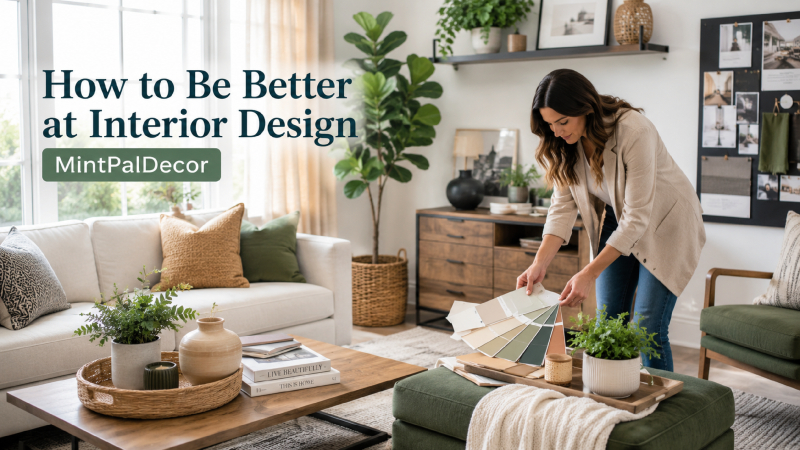

A beautiful home does not happen by accident. Every attractive room reflects thoughtful planning, practical choices, and a personal touch. Many people believe interior design requires expensive furniture or professional experience, but the truth is much simpler. Anyone can create a stylish and comfortable home by learning a few essential design principles and applying them with confidence. If you are searching for how to be better at interior design mintpaldecor, you are likely looking for practical advice that goes beyond decorating trends. Great interior design is about creating spaces that support your lifestyle while expressing your personality. It combines functionality with beauty, making every room feel welcoming and easy to use.
This guide shares proven techniques that professional designers use every day. Whether you live in a small apartment or a spacious house, these ideas will help you improve every corner of your home without unnecessary complexity.
Why Good Interior Design Matters
Your home influences how you feel every day. A well-designed environment can improve productivity, reduce stress, and create a sense of comfort. On the other hand, cluttered or poorly planned spaces often make daily routines more difficult.
Interior design is not only about appearance. It also focuses on making rooms practical for everyday activities. A comfortable living room encourages family conversations, an organized kitchen makes cooking easier, and a peaceful bedroom supports better sleep.
When every room serves its purpose while maintaining visual balance, your home becomes more enjoyable to live in.
Start with Your Lifestyle Instead of Trends
Many homeowners make the mistake of copying designs they see online without considering their own needs. While inspiration is helpful, every home should reflect the people who live there.
Before choosing furniture or paint colors, ask yourself a few important questions.
- How many people use this room?
- What activities happen here every day?
- Do you need extra storage?
- How much natural light enters the room?
- What decorating style makes you feel comfortable?
Answering these questions helps you create a design plan that works for your daily life instead of following short-lived trends.
Learn the Core Principles of Interior Design
Every successful interior follows a few timeless design principles. These concepts work in every decorating style, from modern and minimalist to rustic and traditional.
Balance Creates Stability
Balance ensures that visual weight is evenly distributed throughout the room. Furniture, artwork, lighting, and decorative accessories should feel naturally arranged.
There are three common approaches.
- Symmetrical balance creates a formal and organized appearance.
- Asymmetrical balance offers a relaxed and modern look.
- Radial balance arranges furniture around one central feature.
Choosing the right balance depends on the atmosphere you want to create.
Harmony Builds a Unified Look
Harmony means every design element works together. Colors, textures, furniture, and decorative pieces should support the same overall style.
For example, natural wooden furniture pairs beautifully with linen fabrics, indoor plants, and warm neutral colors. Combining too many unrelated styles often creates visual confusion.
A simple color palette also helps maintain harmony throughout your home.
Scale and Proportion Matter
Beautiful furniture can look awkward if it does not fit the room. Large sofas overwhelm small spaces, while tiny coffee tables disappear inside spacious living rooms.
Measure every room before shopping. Leave enough walking space between furniture pieces and ensure that rugs, lighting fixtures, and artwork match the room’s dimensions.
Proper proportion makes a room feel balanced and comfortable.
Create a Design Plan Before Buying Anything
One of the smartest ways to master how to be better at interior design mintpaldecor is to create a complete plan before making purchases.
Start by measuring the room carefully. Record wall lengths, window positions, door openings, and ceiling height. These measurements help you avoid buying furniture that is either too large or too small.
Next, decide how you want the room to function. A family living room has different requirements than a home office or guest bedroom. Make a list of essential furniture before thinking about decorative accessories.
Finally, create a simple mood board using photos, color samples, and furniture ideas. Seeing everything together makes it easier to identify a consistent style and avoid expensive decorating mistakes.
Choose Colors That Support the Mood
Color has a powerful effect on the atmosphere of a room. Instead of selecting paint based only on current trends, think about the feeling you want each space to create.
Soft whites, warm beige, and gentle gray provide a timeless foundation. These shades reflect natural light and make rooms appear larger.
Earthy greens, muted blues, and warm terracotta add personality without overwhelming the space. If you enjoy bold colors, introduce them through cushions, artwork, rugs, or decorative accessories instead of painting every wall.
Using a consistent palette throughout your home creates a smooth visual flow from one room to another and gives the entire interior a professionally designed appearance.
Use Lighting to Enhance Every Room
Lighting is one of the most overlooked aspects of interior design, yet it has the greatest impact on how a room looks and feels. Even the most stylish furniture can appear dull under poor lighting. A well-lit space feels larger, warmer, and more inviting.
Make the Most of Natural Light
Natural sunlight brings energy into a home and highlights colors more accurately than artificial lighting. Keep windows as open as possible during the day and avoid blocking them with bulky furniture.
Choose light curtains or sheer fabrics if privacy is needed. Mirrors placed opposite windows can also reflect sunlight and brighten darker corners of a room.
Layer Your Lighting
Professional designers rarely depend on a single ceiling light. Instead, they combine multiple light sources to create a balanced atmosphere.
A complete lighting plan includes:
- Ambient lighting for overall brightness.
- Task lighting for reading, cooking, or working.
- Accent lighting to highlight artwork, shelves, or architectural details.
Layering light makes a room more flexible and visually appealing throughout the day.
Select Furniture That Fits the Space
Buying beautiful furniture is exciting, but choosing the right size is even more important. A room should feel comfortable to move around in without feeling empty or overcrowded.
If you want to understand how to be better at interior design mintpaldecor, always select furniture based on your room’s dimensions and daily needs.
Prioritize Comfort and Function
Every furniture piece should have a clear purpose. Before making a purchase, ask yourself whether it improves your lifestyle or simply fills empty space.
For example:
- A storage bed adds extra space in small bedrooms.
- A modular sofa offers flexible seating.
- A nesting coffee table saves space while providing functionality.
- A foldable dining table works well in compact homes.
Practical furniture creates a home that looks attractive and supports everyday living.
Arrange Furniture with Intention
Avoid pushing every piece against the walls. Instead, create conversation areas by placing seating around a central point such as a coffee table, fireplace, or television.
Leave enough walking space between furniture to make movement comfortable. A balanced layout improves both appearance and usability.
Add Texture for Depth and Warmth
Texture makes interiors feel complete. Without it, even expensive rooms can appear flat and lifeless.
Mix different materials to create contrast and visual interest.
Popular texture combinations include:
- Wooden furniture with soft linen curtains.
- Velvet cushions on a leather sofa.
- Woven baskets beside smooth ceramic vases.
- Cotton throws over upholstered chairs.
- Natural jute rugs paired with polished flooring.
Combining textures adds personality without making the room feel busy.
Decorate with Purpose
Accessories should enhance your interior rather than create clutter. Every decorative item should contribute to the room’s overall style.
Consider adding:
- Framed artwork.
- Decorative books.
- Indoor plants.
- Sculptures.
- Scented candles.
- Stylish trays.
- Handmade pottery.
Choose a few meaningful pieces instead of displaying too many decorations at once.
Bring Nature Indoors
Plants instantly make interiors feel fresh and welcoming. They soften hard surfaces while introducing natural color into the room.
Low-maintenance options include the following:
- Snake Plant
- ZZ Plant
- Pothos
- Peace Lily
- Rubber Plant
Place plants in corners, beside windows, or on open shelving to create balance throughout the space.
Smart Storage Keeps Rooms Beautiful
Organization is a key part of successful interior design. A beautiful room quickly loses its appeal when everyday items are left scattered around.
Look for furniture that offers hidden storage, such as ottomans, benches, and beds with built-in drawers.
Use decorative baskets to organize blankets, toys, or magazines. Floating shelves also provide extra storage without taking up valuable floor space.
Keeping surfaces clear allows decorative elements to stand out and makes rooms feel larger.
Common Interior Design Mistakes to Avoid
Even small decorating mistakes can affect the overall look of your home. Fortunately, most of them are easy to correct.
Avoid these common errors:
- Purchasing furniture before measuring the room.
- Choosing too many bold colors.
- Ignoring the importance of lighting.
- Hanging artwork too high.
- Buying rugs that are too small.
- Following trends without considering functionality.
- Overcrowding shelves with decorations.
- Blocking natural light with heavy furniture.
- Forgetting to include storage solutions.
Avoiding these mistakes helps create a more balanced and timeless interior.
Style Every Room with Confidence
Each room has a unique purpose, so your decorating choices should support its function.
Living Room
Create a welcoming layout by arranging seating around a central focal point. Add a comfortable rug, layered lighting, and a few decorative cushions for warmth.
Bedroom
Choose calming colors, quality bedding, and soft lighting. Keep furniture minimal to create a peaceful environment that encourages relaxation.
Kitchen
Organize cabinets efficiently and keep countertops clear. Add under-cabinet lighting and attractive storage containers to combine function with style.
Bathroom
Upgrade the space with better mirrors, coordinated accessories, and floating shelves. Small improvements often make a significant difference.
Home Office
Use an ergonomic chair, supportive desk, and adjustable lighting. Keep cables organized and remove unnecessary distractions to improve productivity.
By applying these ideas consistently, you’ll continue improving how to be better at interior design mintpaldecor while creating a home that feels comfortable, organized, and uniquely yours.
Budget-Friendly Ways to Refresh Your Home
Creating a stylish home does not always require a large budget. Small changes can dramatically improve the appearance and functionality of your living space. The key is to focus on updates that deliver the biggest visual impact.
Start by rearranging your existing furniture. Sometimes a fresh layout can completely change how a room feels. Move seating closer together to encourage conversation or reposition larger pieces to improve traffic flow.
A fresh coat of paint is another affordable improvement. Neutral shades provide a timeless background, while an accent wall adds character without overwhelming the room.
You can also update your home by:
- Replacing old cabinet handles and drawer pulls.
- Adding decorative cushions and cozy throws.
- Displaying framed family photos or artwork.
- Using stylish baskets for storage.
- Refreshing old furniture with paint or new fabric.
- Installing modern light fixtures.
- Decorating with fresh flowers or indoor plants.
These simple improvements create a polished look without exceeding your budget.
Interior Design Trends Worth Following
Design trends change every year, but some ideas remain practical because they improve both style and comfort. If you are exploring how to be better at interior design mintpaldecor, choose trends that fit your lifestyle rather than following every new fashion.
Sustainable Design
Eco-friendly interiors continue to grow in popularity. Furniture made from reclaimed wood, bamboo, recycled materials, and natural fabrics helps create healthier living spaces while reducing environmental impact.
Biophilic Interiors
Nature-inspired design remains one of the strongest trends. Large windows, indoor plants, stone finishes, and wooden furniture create relaxing environments that feel connected to the outdoors.
Warm Neutral Colors
Soft beige, sand, olive green, terracotta, and warm gray have replaced colder color palettes in many modern homes. These shades create welcoming interiors that remain stylish for years.
Multifunctional Spaces
Many homes now include rooms that serve more than one purpose. A guest bedroom may also function as a home office, while a dining area might become a workspace during the day. Flexible furniture makes these spaces more efficient.
Benefits of Improving Your Interior Design Skills
Learning how to be better at interior design mintpaldecor offers lasting advantages beyond making your home look attractive.
Some important benefits include:
- Creates comfortable and functional living spaces.
- Improves organization and reduces clutter.
- Makes small rooms appear more spacious.
- Increases the value of your property.
- Enhances mood and overall well-being.
- Encourages better productivity in work areas.
- Helps you make smarter decorating decisions.
- Saves money by preventing unnecessary purchases.
Interior design is an ongoing learning process. Every improvement helps create a home that supports your lifestyle while reflecting your personality.
Best Practices for Long-Term Success
Professional-looking interiors are rarely completed in a single weekend. Instead, they evolve through careful planning and thoughtful updates.
Keep these best practices in mind:
- Create a decorating plan before shopping.
- Measure every room accurately.
- Invest in timeless furniture.
- Choose quality materials whenever possible.
- Maintain a consistent color palette.
- Layer lighting for comfort and flexibility.
- Mix textures to create depth.
- Declutter regularly.
- Add personal touches through meaningful décor.
- Review your spaces every few months and make gradual improvements.
Following these habits will help you continue mastering how to be better at interior design mintpaldecor while creating rooms that remain beautiful for years.
Frequently Asked Questions
1. How can beginners become better at interior design?
Start by learning the basic principles of balance, harmony, scale, and proportion. Practice with one room at a time and focus on creating spaces that are both functional and visually appealing.
2. What is the biggest mistake people make when decorating?
The most common mistake is buying furniture before measuring the room. This often leads to overcrowded spaces and poor layouts.
3. Which colors make a room feel larger?
Light shades such as white, cream, soft gray, and pale beige reflect more light and create the illusion of extra space.
4. How important is lighting in interior design?
Lighting is essential because it affects mood, functionality, and the overall appearance of every room. Layered lighting provides the best results.
5. Can I improve my home without spending much money?
Yes. Rearranging furniture, painting walls, updating accessories, and improving lighting are affordable ways to transform your home.
6. What decorating style works best for small homes?
Minimalist and Scandinavian-inspired designs work well because they emphasize simplicity, organization, and efficient use of space.
7. Why should I learn how to be better at interior design mintpaldecor?
Because it helps you make thoughtful decorating decisions, avoid costly mistakes, and create a home that is stylish, practical, and comfortable for everyday living.
Conclusion
Every beautiful home begins with thoughtful planning rather than expensive purchases. By understanding design principles, choosing furniture that fits your space, using balanced colors, improving lighting, and keeping your rooms organized, you can transform ordinary interiors into welcoming environments.
Learning how to be better at interior design mintpaldecor is not about copying every trend or creating a picture-perfect home overnight. It is about making intentional choices that reflect your lifestyle and personal taste. Start with small improvements, stay consistent, and let your home evolve over time. With patience and creativity, you can design spaces that are comfortable, functional, and inspiring for years to come.